
SERVICE
Construction financing for custom homes.
Building a custom home requires financing structured around construction phases rather than a single closing. Understanding progress draws and completion mortgages is essential.
FSRA LICENSED · MORTGAGE AGENT LEVEL 2 · ACROSS ONTARIO
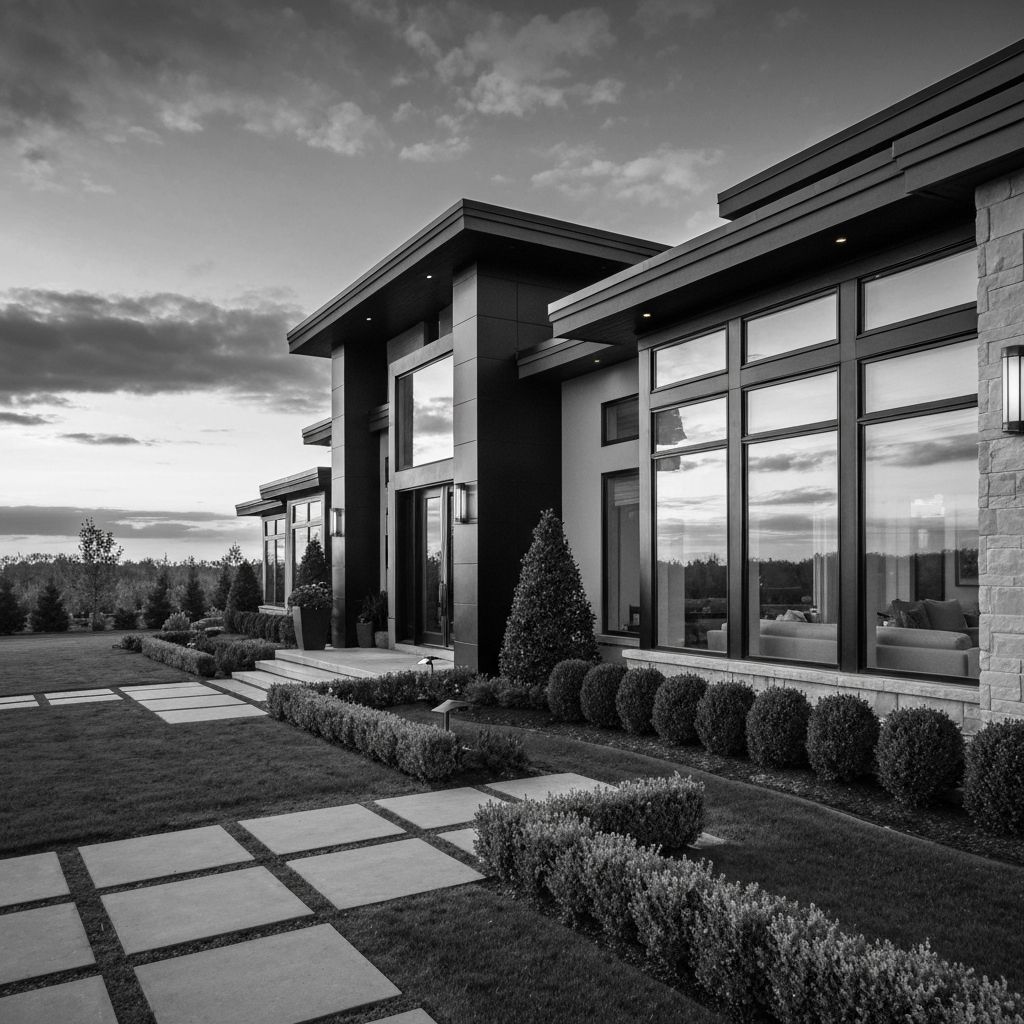
Building a home unfolds over months — financing must match that rhythm.
OVERVIEW
How does construction financing differ from a standard mortgage?
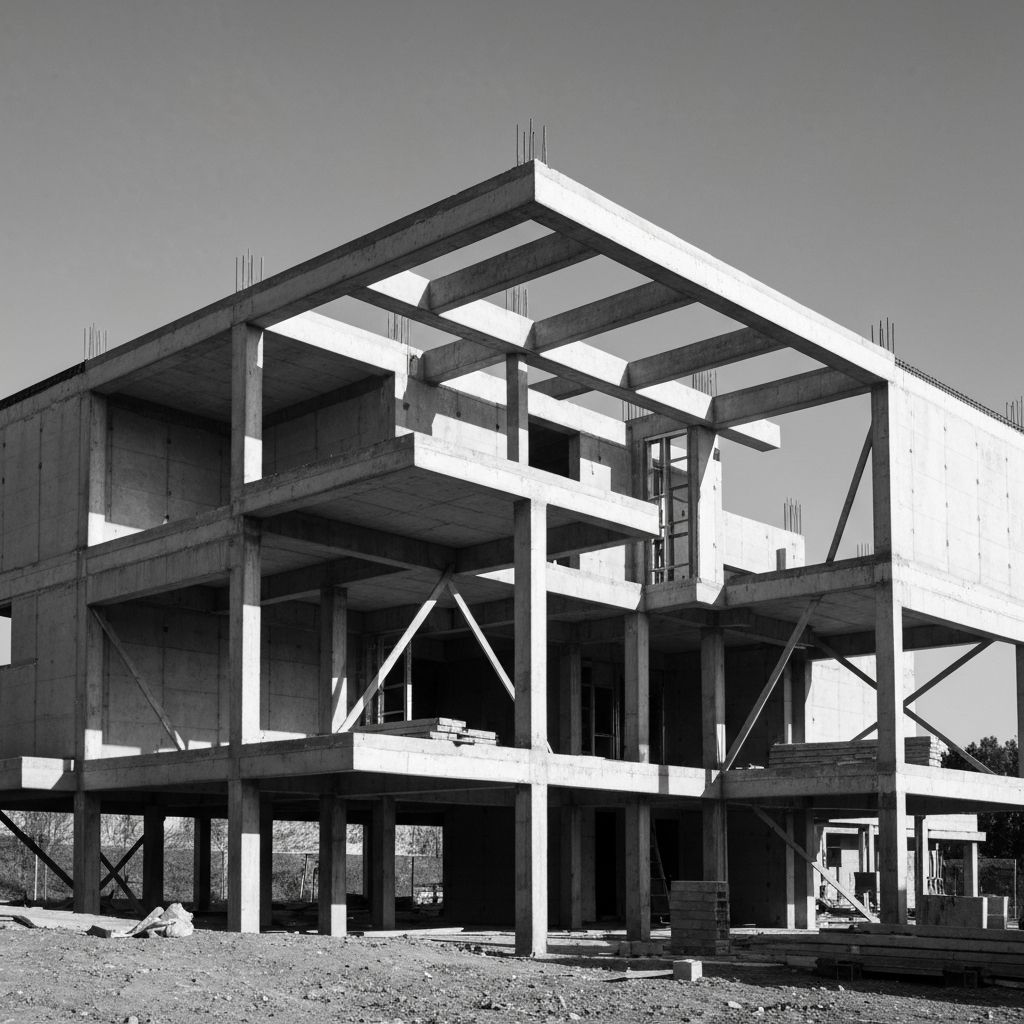
Construction financing differs fundamentally from purchasing an existing home. When you buy a completed property, funds are exchanged once at closing. Building a custom home requires funds released progressively as construction advances — foundation, framing, mechanical, finishing. This structure, called a construction mortgage or progress draw mortgage, protects lenders by ensuring money flows only as value is created.
The typical construction mortgage involves a series of draws, usually four to six, released upon inspection confirming each phase is complete. You typically pay interest only on drawn amounts during construction. Once the home is complete and occupancy is obtained, the construction mortgage converts to or is replaced by a standard mortgage (the completion mortgage or take-out mortgage).
For clients building custom homes across Toronto, Richmond Hill, and throughout Ontario, construction financing requires careful coordination. You need land (often purchased separately), a builder with a detailed construction contract, municipal permits, and a clear project timeline. Lenders scrutinize these elements because construction carries inherent risks — delays, cost overruns, builder issues — that don't exist with existing home purchases.
CONSIDER THIS PATH IF
Is this right for you?
Custom home builders
You're building a home to your specifications with your own builder, not purchasing from a production builder.
Land owners ready to build
You own land and are ready to begin construction with financing for the build.
Renovation-to-new clients
You're demolishing an existing structure and building new on the same lot.
Owner-builders
You're acting as your own general contractor, though lender options are more limited.
Cottage or secondary home builders
You're building a recreational property with construction-specific financing needs.
Investors building to rent or sell
You're building properties for investment purposes rather than personal occupancy.
ADVANTAGES
Why this solution
Funds matched to progress
Pay interest only on what's been drawn, not the full project cost, reducing carrying costs during construction.
Lender oversight protection
Required inspections before each draw provide third-party verification that work is progressing properly.
Competitive completion terms
Once construction is complete, your mortgage converts to standard terms at competitive rates.
Expert coordination
Construction financing involves many moving parts — experienced guidance ensures they align properly.
HOW IT UNFOLDS
Your path forward
Project assessment
We review your land ownership, builder selection, construction contract, permits, and timeline to understand the full scope.
Financing structure design
Based on your project, we identify lenders offering appropriate construction products and structure the draw schedule.
Approval and initial draw
Once approved, we coordinate the first draw (often for foundation) and establish the process for subsequent advances.
Construction monitoring and completion
Throughout construction, we assist with draw requests and inspections, then arrange the completion mortgage once you have occupancy.
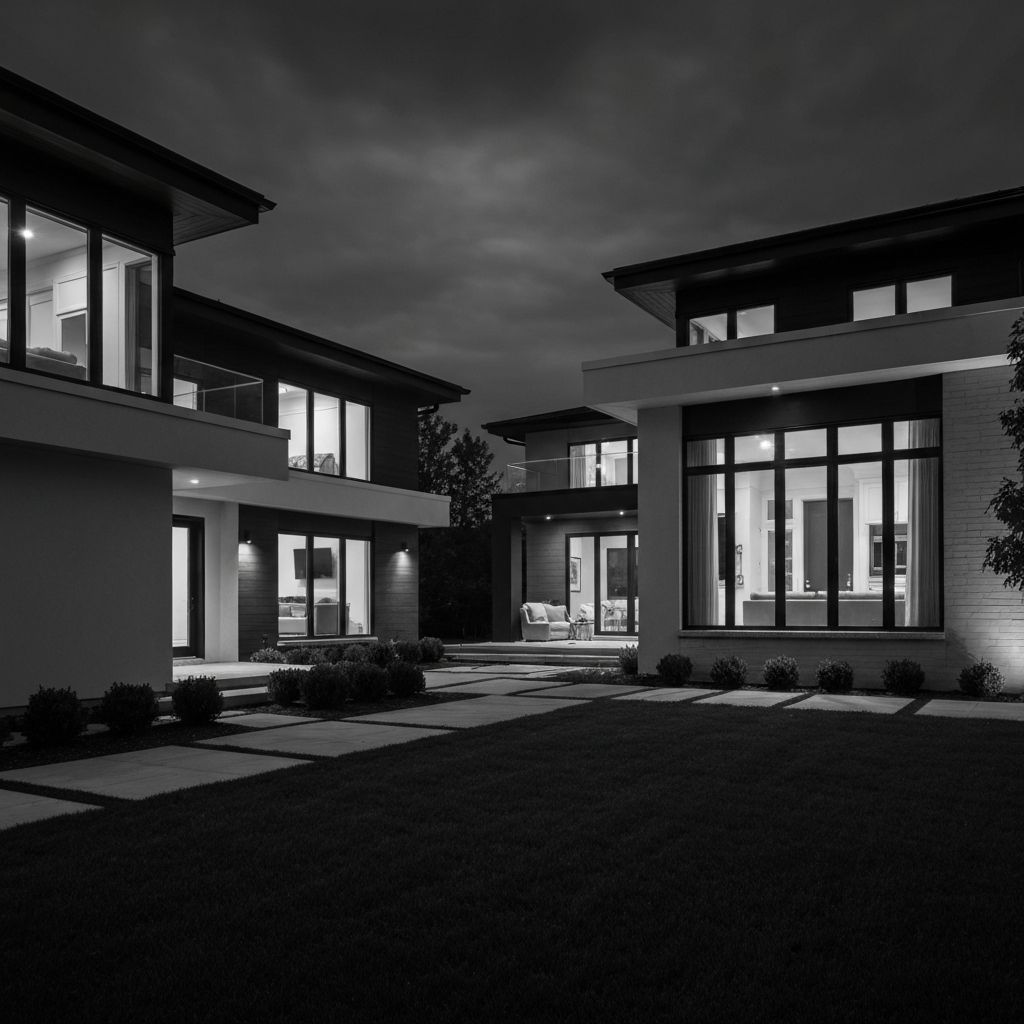
Progress draws release funds as construction milestones are completed
DOCUMENTATION
What to gather
- Proof of land ownership or purchase agreement
- Construction contract with licensed builder
- Detailed construction budget and timeline
- Architectural plans and specifications
- Building permit from municipality
- Builder's license and insurance
- Personal financial documents (income, assets)
- Appraisal of completed value (as-built appraisal)
- Survey or site plan
- Cost breakdown by construction phase
QUESTIONS
Frequently asked
ALSO CONSIDER
Related services
Ready to explore construction financing?
Every situation is unique. Let's discuss your circumstances and find the right path forward together.
FSRA LICENSE M08009492 · TRIUMPH FINANCIAL · RICHMOND HILL